Troubleshooting doors
Why Your Exterior Door Won’t Close Properly
An exterior door that needs a shove is telling you something has changed. The cause may be a small obstruction, a loose hinge, a seal that no longer fits, or movement in the door and frame. Start with observation rather than force: the location of the resistance is often the most useful clue.
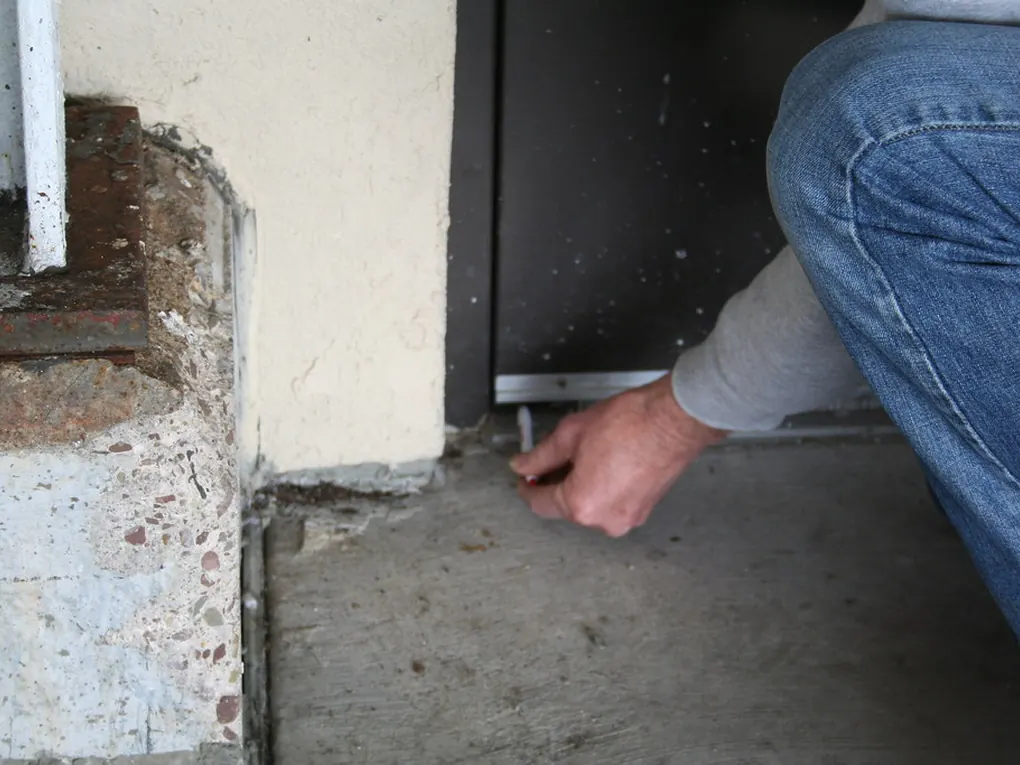
Notice where the door meets resistance
With the doorway clear, move the door slowly and keep fingers away from hinges and the closing edge. Does it rub near the top corner, scrape the threshold, or reach the frame but refuse to latch? Note whether the problem occurs all year or only during certain weather.
If the door closes while the handle is held but fails to latch when released, the latch or its alignment with the strike may be involved. If it rubs before reaching the strike, the fit of the door, hinges, threshold or seals deserves attention. These observations narrow the possibilities; they do not establish a diagnosis.
Simple checks that do not alter the door
Look for a doormat, gravel, ice or debris at the threshold. Remove loose debris only where you can reach it safely. Examine the weatherstripping for a loose section, a fold or visible damage. A seal that is displaced or too thick can make closing difficult.
Look at the hinges for a visibly loose screw or movement where the hinge meets the frame. If a readily accessible screw is slightly loose and you are comfortable using a hand screwdriver, gently snug it without overtightening. Stop if it spins without gripping, the hinge moves, or the door needs support. Do not remove hinge pins or take the door off yourself.
- Keep the threshold clear and dry where practical.
- Check for visibly displaced weatherstripping.
- Photograph rub marks and uneven gaps for the repair visit.
- Avoid slamming the door or repeatedly forcing the latch.
Why alignment can change
Hinge wear or loose fixings can allow a door to sag. Moisture can change the dimensions of wood components, while temperature changes can affect materials differently. Movement in the frame or building may also alter the fit. A seasonal pattern is helpful information, but it is not a reason to assume the problem is harmless.
Do not start by planing the edge, drilling the strike or trimming the seals. Those changes can affect security, the weather seal and product warranty, and may treat the symptom rather than the cause. Adjustment should account for the door's construction and the condition of the frame.
When to arrange a repair
Arrange an assessment if the door will not latch securely, rubbing keeps returning, or there is frame damage, rot or water entry. New cracks or obvious movement around the opening may warrant advice from an appropriate building professional as well as a door repair assessment.
A door that cannot open easily can affect your ability to leave the home. Do not block or improvise a restraint across an exit. If there is immediate danger or someone is trapped, contact emergency services. For non-emergency fit, hinge or frame problems, ask Nimbus about door repair.
Discuss Your Home With Nimbus
Learn about door repair in Winnipeg, or see all door and window services. Contact Nimbus to discuss the symptoms, scope and availability.