Seasonal home care
How Manitoba Winters Affect Doors and Windows
Cold weather can make existing door and window problems easier to notice. A draft, frost at an edge or a door that suddenly sticks may involve air leakage, moisture, worn hardware or changing material dimensions. These signs are worth checking, but each has more than one possible cause.
Drafts and cold surfaces are not the same thing
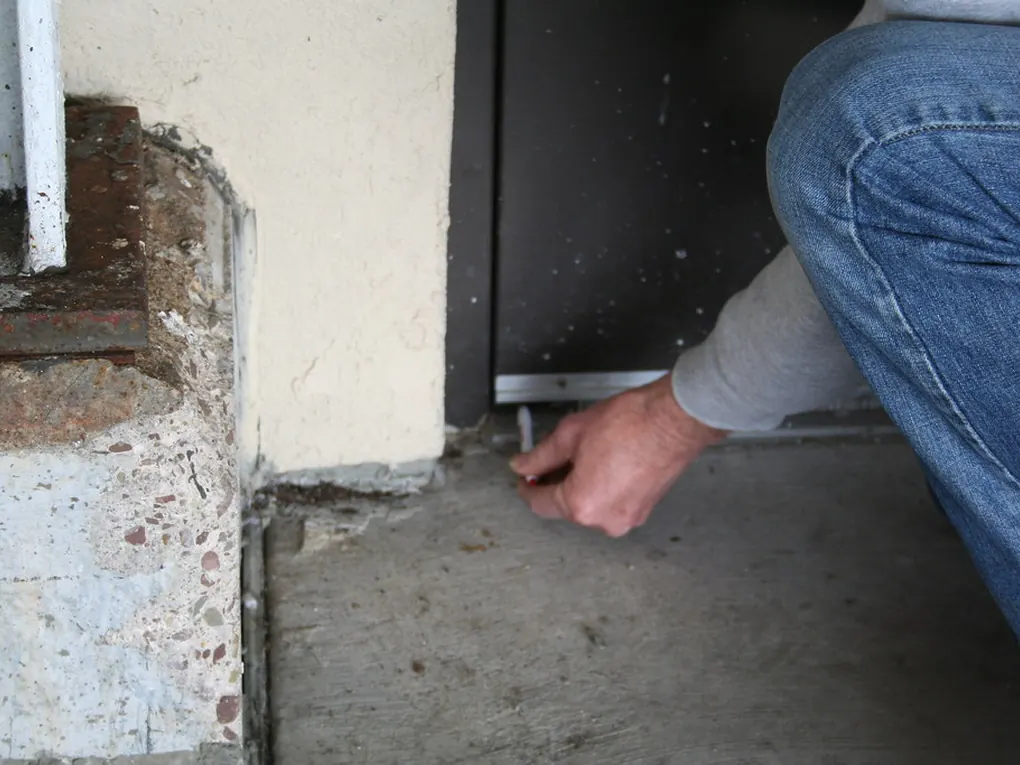
A worn door sweep, damaged weatherstripping or a gap around an opening can allow outdoor air in. Moving your hand near the closed opening may help you locate a suspected draft; do not use a flame to test for leaks. Check that the sash is fully closed and that the lock engages without force.
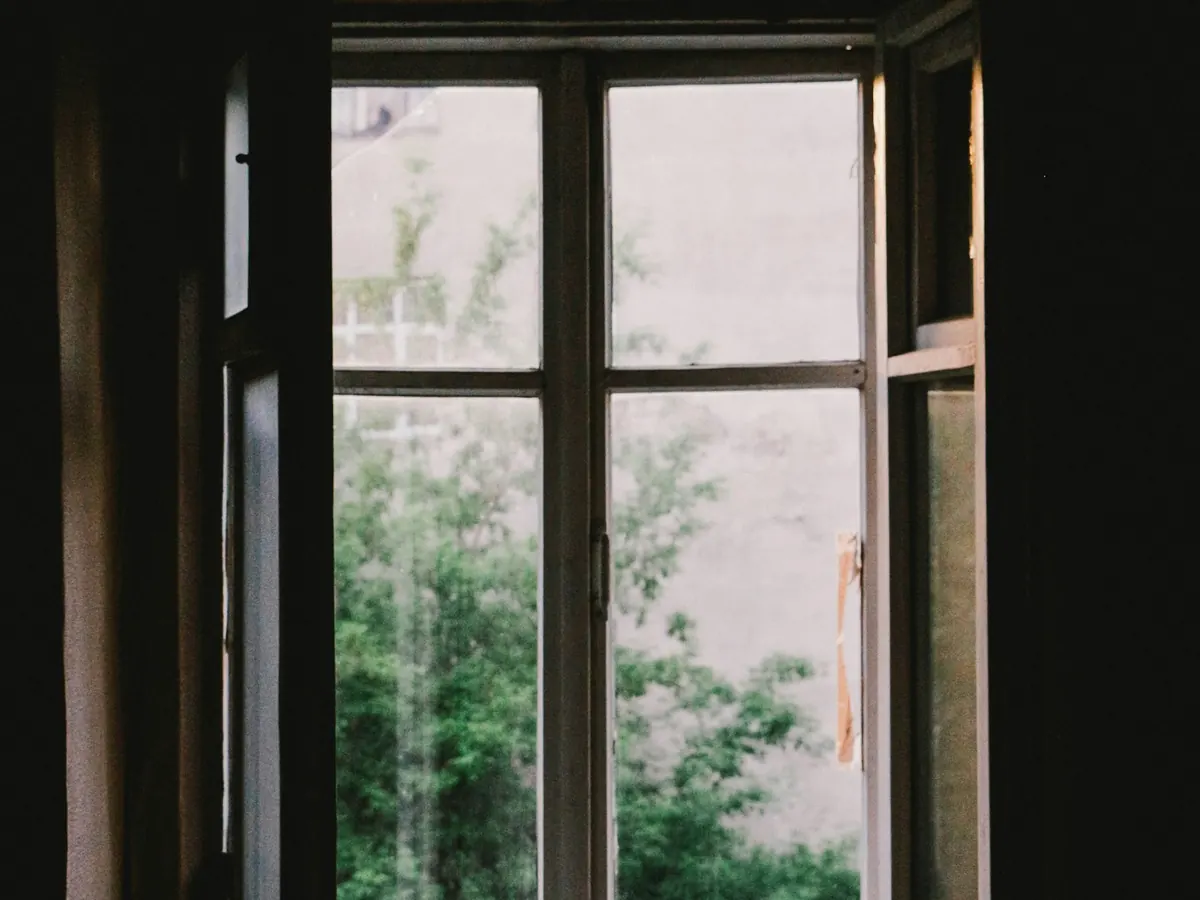
A cold pane of glass can also cool nearby indoor air even without a gap. That sensation alone does not prove the window is leaking. Note where you feel moving air and whether it changes with wind. A repair assessment can distinguish seal and hardware issues from limits in the product's thermal performance.
Understand condensation and frost
Indoor condensation forms when moisture in the air meets a surface cold enough for water to collect. During colder weather, windows can reach that temperature more readily. Persistent condensation depends on indoor humidity, surface temperature and airflow; it is not automatically evidence that a whole window needs replacing.
Wipe accessible moisture and protect nearby finishes from standing water. Use kitchen and bathroom exhaust as intended, and check that existing ventilation is operating properly. A hygrometer can help track humidity, but there is no single ideal setting for every home and outdoor temperature. Avoid blocking vents or changing ventilation equipment without appropriate advice.
Moisture that appears to be between panes of a sealed glazing unit can indicate an insulating-glass seal problem. Surface condensation and between-pane moisture need different responses. Persistent wetness, staining or mould deserves prompt attention to both the moisture source and any affected materials.
Sticking hardware and ice at the opening
Temperature and moisture changes can affect wood, metal and other materials differently. A door or sash with marginal clearance may bind seasonally, and worn hardware can make the problem worse. Record when it happens and where it rubs rather than repeatedly forcing it.
Clear loose snow from a reachable threshold without damaging the finish or seals. Do not pour boiling water on glazing or frozen hardware, use an open flame, or chip ice from glass with a metal tool. If a window or door is frozen shut, avoid forcing it and seek advice on a safe remedy. Keep required exits usable.
A practical winter check
Check openings before cold weather when possible, then revisit any area showing new moisture or difficult operation. Follow the product manufacturer's cleaning and lubrication instructions: a product appropriate for one mechanism may not be appropriate for another.
- Look for damaged or detached seals and sweeps.
- Check closure and locking without forcing hardware.
- Keep accessible drainage paths clear according to manufacturer guidance; do not seal them over.
- Note recurring moisture, drafts, staining and ice.
- Arrange repair for loose hinges, damaged frames or failing locks.
Choose a repair based on the cause
Replacing weatherstripping, adjusting compatible hardware or repairing a specific component may help when the rest of the assembly is sound. Deteriorated frames, persistent water entry or damaged glazing require a fuller assessment. No single repair can promise to eliminate every winter comfort or moisture issue.
Nimbus provides residential door installation and repair and window repair in Winnipeg and surrounding communities. Share the symptoms and when they occur so the assessment can focus on the right parts of your home.
Discuss Your Home With Nimbus
Learn about window repair in Winnipeg, or see all door and window services. Contact Nimbus to discuss the symptoms, scope and availability.